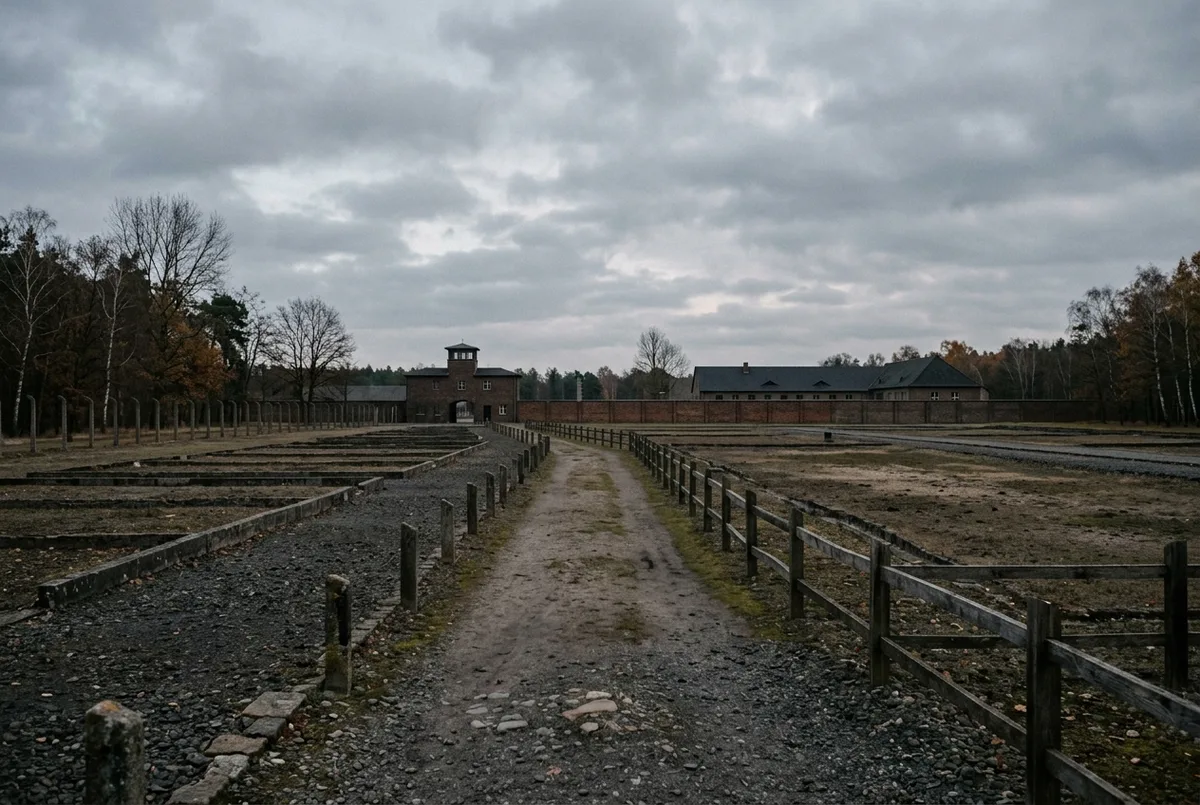
Concentration camp tours berlin nearly always point to one destination: the Sachsenhausen Memorial, a former Nazi concentration camp roughly an hour outside the city center, now preserved as a memorial and documentation site. I’d say this is the single heaviest subject matter covered anywhere on this site, and it deserves to be treated that way from the planning stage onward.
This isn’t a stop to fold into a lighter day of sightseeing. My Berlin history tours overview can help you decide whether this is the right era to go deep on during this particular trip, or whether it’s worth saving for a return visit.
What Does a Sachsenhausen Memorial Visit Actually Involve?
The memorial preserves parts of the former camp structure, including guard towers, barrack foundations, and a documentation center with exhibits on the camp’s history and the people held there. Entry to the memorial grounds themselves is free, and audio guides or guided walks are available for those who want structured context rather than exploring independently.
I’d plan on walking a fair amount across open, exposed grounds, since the site spans a wide area rather than a single building. Comfortable shoes and weather-appropriate clothing matter more here than at almost any other stop in Berlin.
How Do You Get from Berlin to Sachsenhausen?
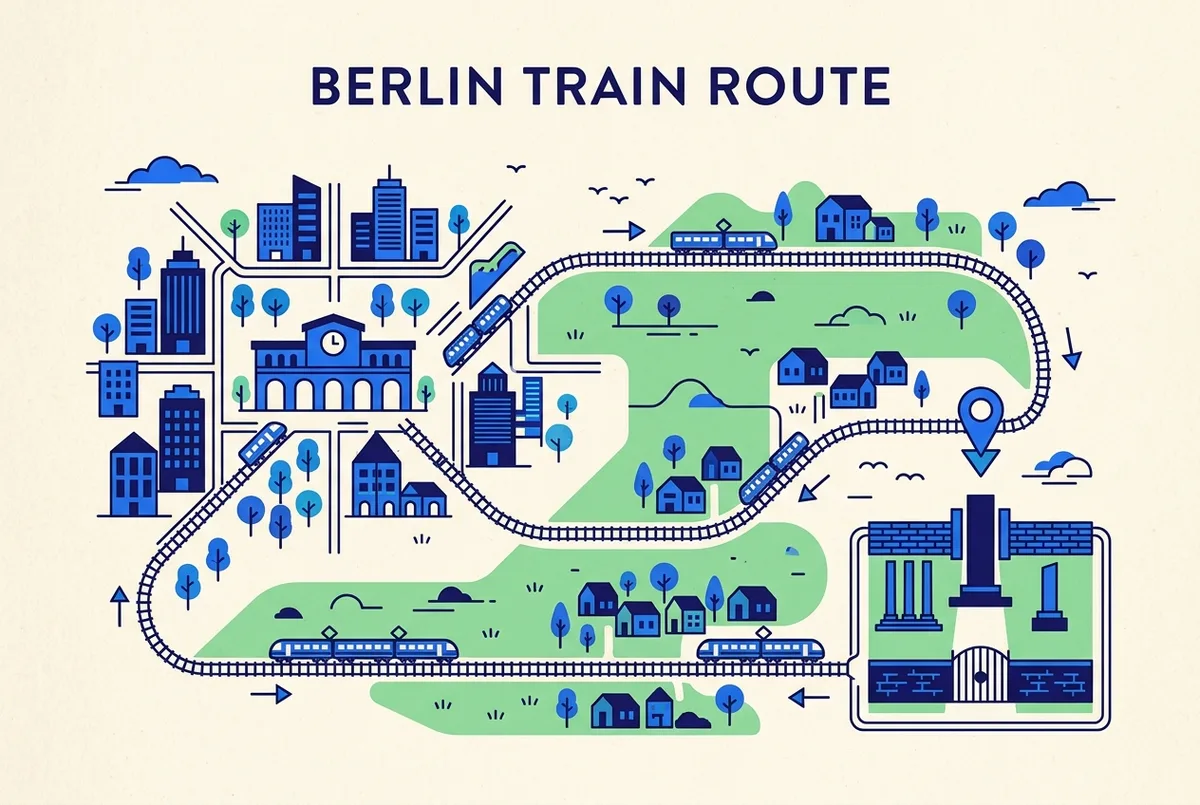
The most common route is the S1 S-Bahn line to Oranienburg, followed by a roughly twenty-minute walk or a short local bus connection to the memorial entrance. The full one-way journey typically runs under an hour from central Berlin stations.
My honest advice is to check current S-Bahn schedules before you go rather than assuming a fixed frequency, since regional rail timetables shift periodically. Building in a little buffer time means a delayed train doesn’t throw off your whole day.
How Much Time Should You Budget for This Day Trip?
Most visitors spend three to four hours at the memorial itself once you include the documentation center, plus roughly two hours total for the train journey there and back. That adds up to most of a day once you account for a reasonable pace rather than a rushed walkthrough.
I would not try to combine this with another major sightseeing stop on the same day. The subject matter deserves your full attention, and I think bolting on an unrelated activity afterward does a disservice to both halves of the day.
Is a Guided Tour Worth It, or Should You Visit Independently?
A guided tour adds historical context and helps you understand how different areas of the camp functioned, which can be genuinely difficult to piece together from signage alone. Independent visits cost less and let you move at your own pace, spending more time wherever something affects you personally.
My take is that a guide earns its price here more than at most other historical sites in this region, specifically because so much of what happened isn’t visible in the physical remains alone. I’d lean toward a guided option if this is your first visit to any former concentration camp site.
What Should You Know Before Visiting, Emotionally and Practically?
This is a genuinely difficult site to walk through, and I think it’s worth saying plainly rather than glossing over. Expect a quiet, somber atmosphere, limited food options nearby, and a documentation center with graphic historical material that some visitors, especially younger ones, may find distressing.
I would plan a lighter activity for the evening after this visit rather than another dense history stop. Giving yourself space to process the day matters more here than almost anywhere else on a Berlin itinerary.
Are There Other Camp Memorial Sites Near Berlin Besides Sachsenhausen?
Sachsenhausen is by far the most visited and most accessible from the city center, which is why it’s the near-universal answer when people search for this topic. Other sites exist further afield in Germany, but they involve considerably longer travel and aren’t realistic as a single-day trip from Berlin.
I’d stick with Sachsenhausen for a Berlin-based trip rather than trying to reach a more distant site on a tight schedule. Rushing a longer journey undercuts the time you actually have to spend at the memorial itself.
Is This Trip Appropriate for Children or Teenagers?
Generally, this is better suited to older teens and adults rather than younger children. The documentation center includes graphic historical material, and the subject matter requires a level of context most school-age kids haven’t developed yet.
I would check age guidance directly with your chosen tour operator if you’re traveling with teenagers specifically, since some guided options structure the visit differently for younger visitors than the standard adult tour.
How Does This Fit With the Rest of Berlin’s WWII History?
Sachsenhausen sits at the furthest, heaviest end of a broader story this city tells across several sites. My WWII and Third Reich tours guide covers the lighter-touch, city-center sites that explain the political buildup, while my Berlin Wall tours guide and Cold War tours guide cover what came after, and my DDR Museum guide covers the lighter, everyday-life angle on the decades that followed.
I’d genuinely recommend visiting at least one city-center WWII site before Sachsenhausen if this is your first time engaging with this period of German history. Having that context in place beforehand makes the memorial visit land with more clarity.
Does This Count as a Day Trip from Berlin?
Yes, in the practical sense that it takes you outside the city center for most of a day, even though the round trip itself is short. My day trips from Berlin guide covers this alongside lighter options like Potsdam, for travelers weighing how to spend a day away from the city.
I’d keep this day trip separate from the others on that list when you’re planning your trip, rather than treating it as interchangeable with a palace visit or a scenic town. The tone of the day is genuinely different, and your itinerary should reflect that.
Should You Book This in Advance?
For a guided option, yes, especially during peak summer months when small-group tours can sell out days ahead. Independent visits don’t require advance booking since the memorial grounds are open to the public, but checking current opening days before you travel is still worth doing.
I would book a guided slot at least a few days ahead if you want one, and I’d avoid scheduling this for your very last day in Berlin, in case a transport delay or an unexpectedly long visit pushes against a flight or train departure.
How Can You Prepare for the Visit Before You Go?
Reading a short overview of the camp’s history beforehand helps the documentation center’s exhibits land with more context rather than hitting you cold. Some travelers also find it useful to plan a quiet, low-key activity for later that same evening rather than booking anything demanding straight afterward.
My honest advice is to talk briefly with anyone you’re traveling with about what to expect before you arrive, especially if it’s their first visit to a site like this. A short conversation beforehand tends to make the day easier to process together rather than everyone processing it alone and separately.
What Photography Etiquette Should You Follow at the Memorial?
Photography is generally permitted across most of the memorial grounds, but the mood here calls for restraint rather than the kind of casual tourist photos you’d take at a landmark elsewhere in the city. Posed or celebratory photos feel genuinely out of place given what the site represents.
I would keep my camera use quiet and purposeful here rather than treating it like any other stop on a sightseeing day. Documenting what you learn is reasonable; performing for a photo in front of a guard tower is not, and I think most visitors instinctively understand the difference once they’re standing there.
My Honest Recommendation
Give this day its own dedicated slot in your itinerary, ideally not back to back with another heavy history stop. Book a guided option if this is your first visit to a former concentration camp, and build in buffer time around the S-Bahn journey both ways.
I would genuinely resist the urge to treat this as a quick add-on to a busier sightseeing day. The memorial deserves the time and attention a rushed schedule can’t give it, and I think most visitors come away glad they planned for that rather than squeezing it in.
For factual background on the site itself, Wikipedia’s overview of Sachsenhausen concentration camp is a well-sourced, neutral reference worth reading before your visit. And for a flexible way to cover the city center on a lighter day of your trip, the full lineup of Berlin hop-on-hop-off tours on the homepage is worth comparing.
Frequently Asked Questions
Which concentration camp is closest to Berlin?
Sachsenhausen Memorial, roughly an hour outside central Berlin by S-Bahn, is the site almost everyone means by this search.
Is entry to the Sachsenhausen Memorial free?
Yes, entry to the memorial grounds is free, though guided tours and the documentation center may involve their own arrangements.
How long should I budget for a Sachsenhausen day trip?
Most of a day: three to four hours at the memorial plus roughly two hours of total train travel.
Is Sachsenhausen appropriate for children?
It’s generally better suited to older teens and adults, given the graphic historical material in the documentation center.
Do I need to book a guided tour in advance?
During peak summer months, yes, since small-group guided tours can sell out. Independent visits don’t require advance booking.